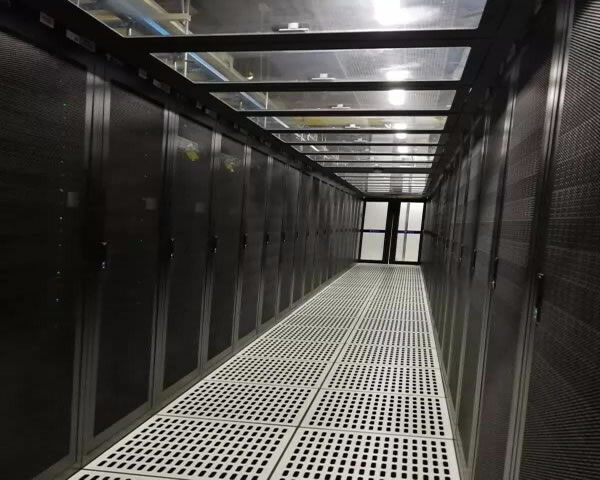
With the rapid development of cloud computing technology, overseas cloud servers are becoming increasingly widely used in Thailand. More and more enterprises and individuals are choosing to use overseas cloud servers to meet their specific business needs and technical requirements. This article will provide you with a detailed guide to the application and selection of overseas cloud servers in Thailand, helping you better understand this field.
Advantages of overseas cloud servers
Overseas cloud servers have many advantages over local servers. First of all, overseas cloud servers usually have higher performance and stronger scalability, which can meet the needs of enterprises of different sizes. Secondly, many overseas cloud service providers provide high reliability and security to ensure the secure storage and transmission of data. In addition, overseas cloud servers can also reduce the IT costs of enterprises because users do not need to purchase and maintain physical servers themselves.
The demand for cloud services in the Thai market
With the continuous development of Thailand's economy, enterprises' demand for cloud services continues to increase. Especially in industries such as e-commerce, online education and digital marketing, companies need fast and flexible IT solutions to support their business growth. Due to its efficient performance and global coverage, overseas cloud servers have become the preferred solution for many Thai companies.
Key factors in choosing overseas cloud servers
When choosing an overseas cloud server, there are several key factors to consider. First, the geographical location of the server is crucial, and choosing a server close to the target user base can improve access speed and user experience. Secondly, the technical support and after-sales service of the service provider are also very important, and timely resolution of problems can ensure the normal operation of the business. In addition, the security, scalability and pricing structure of the server are also elements that must be considered when choosing.
How to evaluate cloud service providers
When evaluating cloud service providers, you should pay attention to their market reputation and customer feedback. You can understand the service quality and reliability of different providers by checking third-party review websites and user reviews. In addition, it is recommended that the provider be required to provide trial services to actually experience its performance and technical support level. It is also very important to understand the terms of the service agreement, such as data backup, recovery and security measures.
Application scenarios of overseas cloud servers
There are many application scenarios for overseas cloud servers in Thailand. First, businesses can leverage cloud servers to host websites and applications for higher access speeds and better user experience. Second, many enterprises use cloud servers for data storage and backup to deal with the risk of data loss. In addition, cloud servers are widely used in big data analysis, artificial intelligence and machine learning, helping enterprises make data-driven decisions.
Legal and compliance considerations
When using overseas cloud servers in Thailand, legal and compliance issues cannot be ignored. Businesses need to ensure that their data storage and processing complies with local laws, especially in terms of data protection and privacy. It is recommended that enterprises confirm that they comply with corresponding laws and regulations when choosing a cloud service provider and understand relevant policies for cross-border data transmission to avoid potential legal risks.
Future trends and development directions
With the continuous advancement of technology, the application prospects of overseas cloud servers in Thailand will be broader. In the future, emerging technologies such as artificial intelligence, the Internet of Things and edge computing will promote the further development of cloud services. In addition, enterprises pay more and more attention to data security and privacy protection, and cloud service providers will continue to improve their security technology and compliance capabilities to meet market demand.
Summary and suggestions
Overseas cloud servers are increasingly widely used in Thailand. When choosing, companies need to comprehensively consider various factors such as performance, security, and compliance. It is recommended that enterprises conduct sufficient market research when choosing a cloud service provider to understand their service quality and technical support. At the same time, we attach importance to legal compliance and ensure that data processing complies with local regulations. Through reasonable selection and application, overseas cloud servers will bring huge commercial value to enterprises.
- Latest articles
- Best Practices For Isolation Strategies And Network Security For Taiwan-native IP Virtual Machines In Multi-tenant Environments
- SS Hong Kong CN2 VPS Recommendations: The Best SS Hong Kong CN2 VPS For High-frequency Application Scenarios
- User Experience Optimization: Singapore Server Cloud Server Access Acceleration Combined With CDN Integration Solution
- Enterprise-level Service Evaluation: In-depth Analysis Of Cambodia VPS Stability And Scalability
- Where Can You Find A Variety Of Billing Options For Vietnam Cloud Servers? To Meet Different Budget Needs
- Enterprise Migration Guide VPS Software Vietnam Practical Data Backup And Fault Recovery Manual
- From A Long-term Operational Perspective, The Advantages Of Hong Kong Server Clusters Are Reflected In Maintenance And Upgrades
- Technical Test Report Shows High Latency In Korean Telecom VPS, Common Bottlenecks, And Repair Methods
- Malaysian CN2 Access Guide And Common Configuration Examples For Developers
- Identifying And Tracing Techniques For Hong Kong Native IP Ranges And ISP Ownership
- Popular tags
-
Conditions And Precautions For Purchasing Cloud Servers In Thailand
This article details the conditions and precautions for purchasing a cloud server in Thailand to help you make wise choices. -

How To Recycle Cloud Server Resources And Services At Low Prices In Thailand
This article discusses how to recycle cloud server resources and services at low prices in Thailand, providing practical suggestions and steps. -

Frequently Asked Questions And Solutions For Thai Vps Users
this article answers common questions for vps users in thailand and provides detailed solutions to help you make better use of vps services.